10 Track Day Essentials Every Rider Needs
A practical packing and setup checklist for stress-free track sessions.
Cornering is where the true art of motorcycle riding comes to life. It's a complex dance of physics, technique, and feel that separates good riders from great ones. In this comprehensive guide, we'll explore the techniques that professional riders use to master corners of all types.
The Fundamentals of Cornering
Before diving into advanced techniques, it's essential to understand the basic principles that govern motorcycle cornering:
- Countersteering: The initial input to initiate a turn
- Body position: How you position your weight affects the bike's behavior
- Line selection: The path you choose through a corner
- Throttle control: Managing power delivery throughout the turn
- Braking technique: When and how to slow down before and during a corner
Each of these elements must work in harmony to achieve the perfect corner. Let's break them down one by one.
Countersteering: The Science of Turning
Many riders don't fully understand countersteering, yet it's the fundamental technique that initiates every turn on a motorcycle. To turn right, you momentarily push forward on the right handlebar (steering left). This counterintuitive action causes the bike to lean to the right, which is what actually makes the motorcycle turn right.
The physics behind this are fascinating: pushing forward on the right handlebar causes the front wheel to momentarily steer left, which moves the contact patch of the tire to the left of the bike's center of gravity. This creates a rightward lean, and the motorcycle follows the lean.
Body Position: The Art of Weight Distribution
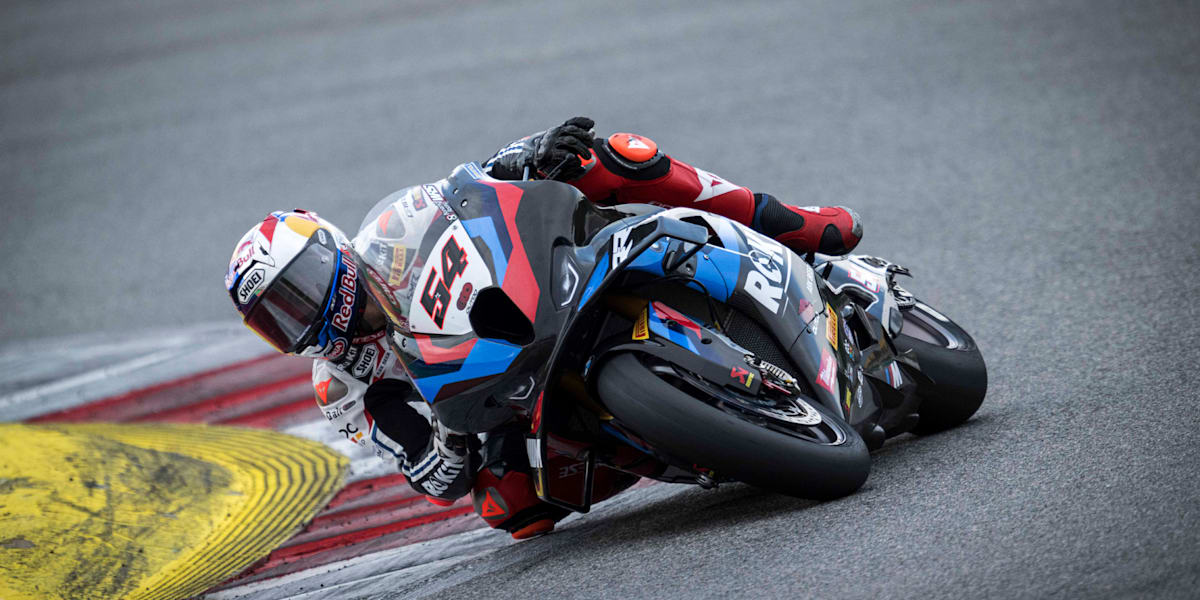
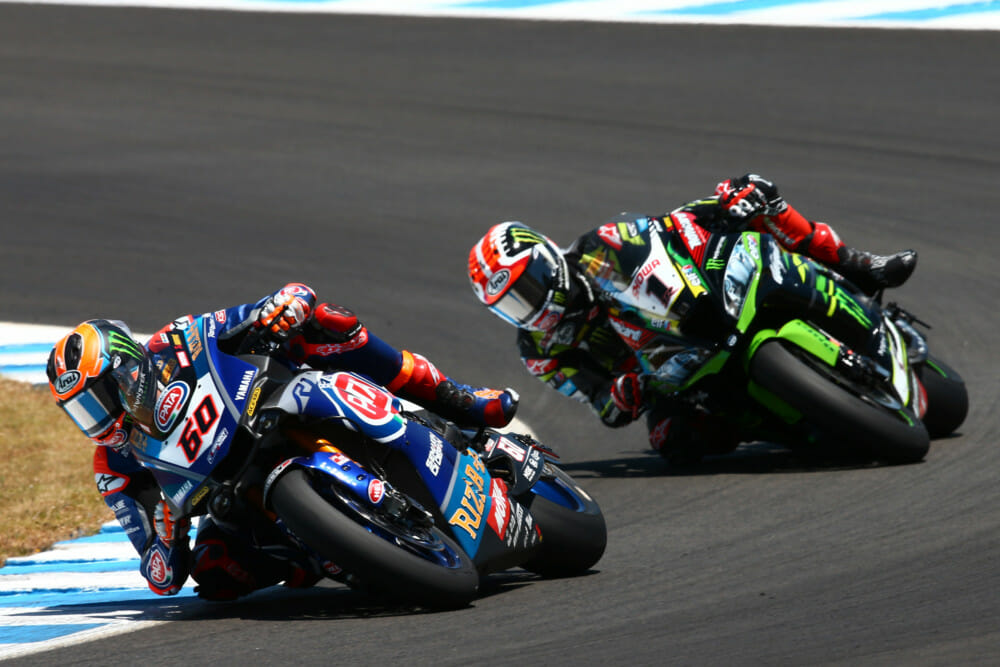
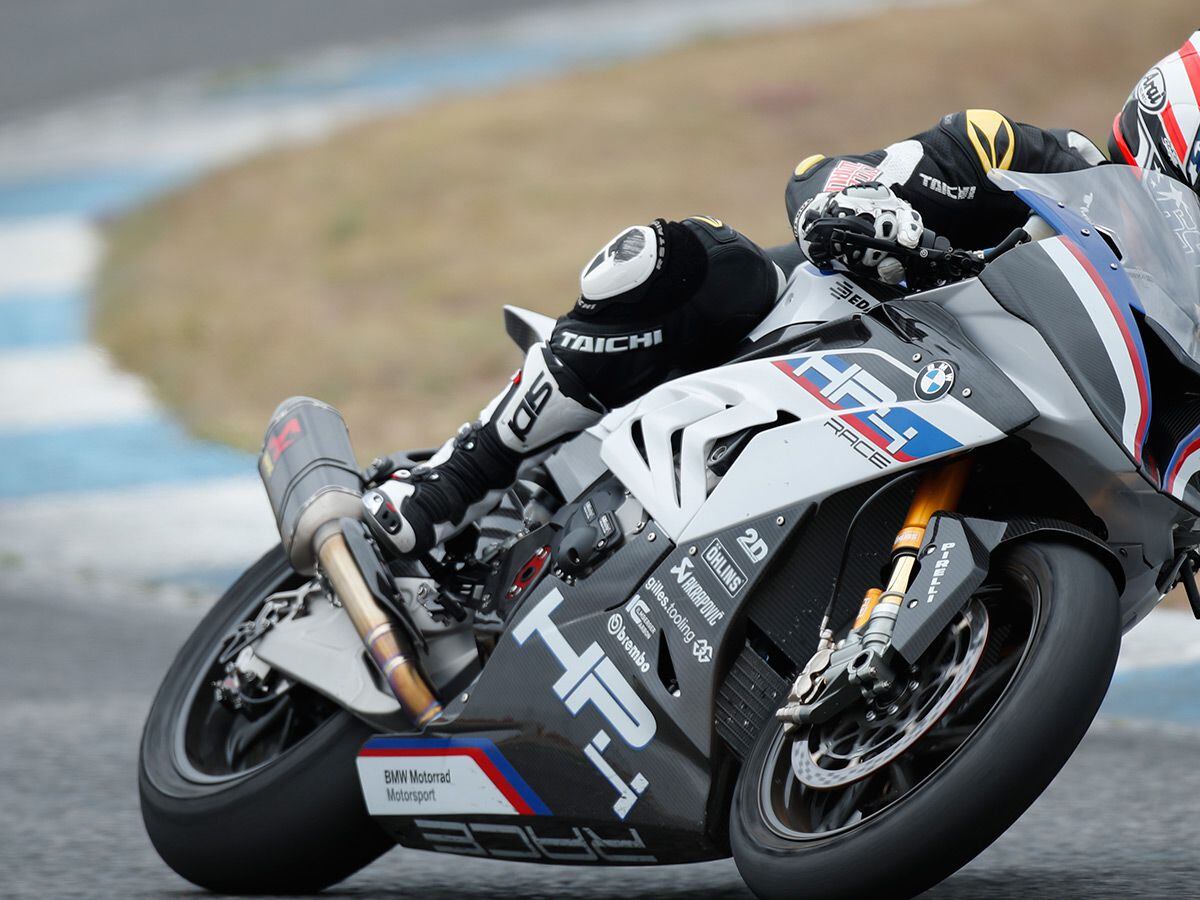
Your body position dramatically affects how your motorcycle handles in corners. On the track, you'll see riders hanging off the inside of the bike, with their inside knee out and their upper body low. This technique shifts the combined center of gravity of the rider and motorcycle, allowing the bike to take a tighter line or remain more upright for the same line.
For street riding, a more moderate approach is appropriate. Moving your weight slightly to the inside of the turn while keeping your outside arm relaxed will improve your cornering without sacrificing stability or safety.